

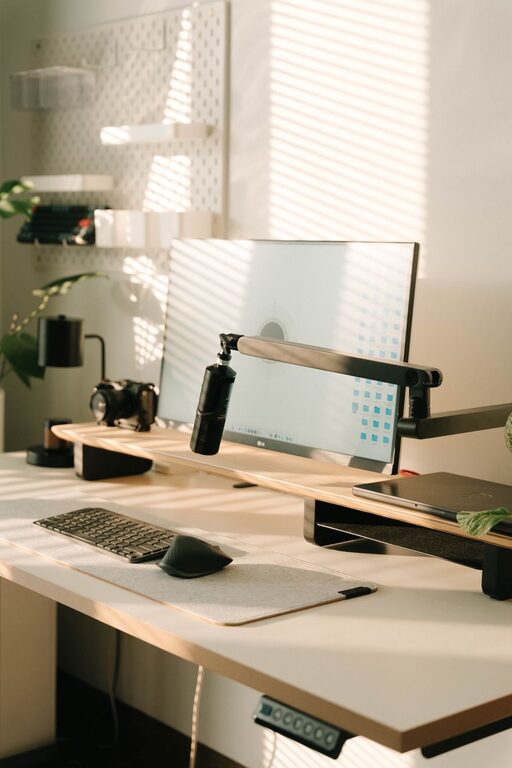
Creating a cozy and functional home workspace is essential for maintaining productivity and comfort, especially when working from home is becoming increasingly common. A well-designed workspace can boost your focus, reduce stress, and make your workday more enjoyable. In this guide, we’ll share practical tips for crafting a home office that looks inviting and works well for your daily tasks.
Choose the Right Location
Finding the perfect spot for your home workspace is the first step. Here are factors to consider:
– Natural Light: Position your desk near a window if possible. Natural light helps improve mood and reduce eye strain.
– Privacy: Select a quiet area away from household distractions where you can focus.
– Space: Ensure you have enough room for your desk, chair, and any equipment or materials you need.
If space is limited, even a corner of a living room or bedroom can work with the right setup.
Invest in a Comfortable Chair and Desk
Comfort is key when you spend many hours at your desk.
– Ergonomic Chair: Choose a chair that supports your lower back and allows your feet to rest flat on the floor.
– Desk Size: Opt for a desk that fits your computer, documents, and other essentials without clutter.
– Adjustable Options: Adjustable chairs and desks (such as sit-stand desks) can help reduce fatigue.
Proper ergonomics will support better posture and prevent discomfort.
Organize with Functional Storage
Clutter can distract and reduce productivity. Having storage solutions keeps your workspace tidy.
– Shelves and Drawers: Use these to store books, files, and office supplies.
– Desk Organizers: Keep pens, notebooks, and gadgets within reach but neatly arranged.
– Cable Management: Use clips or tubes to hide cords and prevent tangling.
An organized space helps keep your mind clear and focused.
Personalize to Create a Cozy Atmosphere
Adding personal touches makes your workspace inviting and motivating.
– Plants: Small indoor plants purify the air and add a natural element.
– Artwork: Choose art or photos that inspire and make you happy.
– Lighting: Use soft lamps or string lights to create warmth alongside task lighting.
These personal elements can increase your comfort and creativity.
Optimize Lighting for Comfort and Focus
Adequate lighting is crucial for reducing eye strain and maintaining wakefulness.
– Task Lighting: Position an adjustable desk lamp to shine directly on your work area.
– Ambient Lighting: Use overhead lights or floor lamps to fill the room evenly.
– Avoid Glare: Arrange monitors and light sources to minimize reflections.
Natural daylight combined with layered artificial lighting works best.
Minimize Distractions
Creating a workspace separated from distractions helps you stay on track.
– Noise Control: Use noise-canceling headphones or a white noise machine if necessary.
– Visual Barriers: Position your desk to face away from busy areas.
– Digital Declutter: Close unnecessary apps or browser tabs to reduce interruptions.
A focused environment is a productive environment.
Incorporate Technology Wisely
Choose tools and equipment that enhance your work without adding complexity.
– Reliable Internet: A strong and stable connection is essential.
– Quality Monitor and Accessories: Large screens, ergonomic keyboards, and mice boost efficiency.
– Webcam and Microphone: For video calls, select clear, simple-to-use devices.
Investing in the right technology makes remote work smoother.
Maintain Work-Life Balance
Setting boundaries in your home workspace helps separate work time from personal time.
– Set Work Hours: Define your schedule and stick to it.
– End-of-Day Routine: Shut down your computer and tidy your desk to signal the shift.
– Breaks: Take regular breaks to stretch, move, and refresh your mind.
Maintaining balance protects your well-being and productivity.
Final Thoughts
Designing a cozy and functional home workspace doesn’t require a large budget or a dedicated room. With thoughtful planning and attention to comfort, organization, and personalization, you can create a space that makes working from home both pleasant and productive. Remember, the best workspace is the one that works for you—feel free to experiment and adjust until you find your perfect setup.