

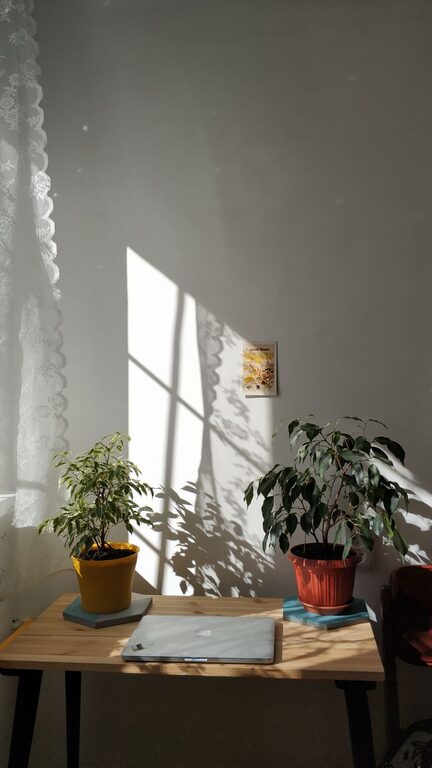
Creating a relaxing home office environment is essential for staying focused, motivated, and comfortable throughout your workday. Whether you work remotely full-time or just need a quiet place to handle personal tasks, a well-designed workspace can help you reduce stress and improve productivity. Here are some practical tips to help you create a calming home office that feels both inviting and efficient.
Choose the Right Location
Selecting the right spot for your office is the first step toward creating a relaxing space.
– Find natural light: Choose a location near a window if possible. Natural light helps reduce eyestrain and can boost your mood.
– Minimize distractions: Pick an area away from heavy foot traffic, television noise, or household activities.
– Consider space: Make sure there is enough room for your desk, chair, and any additional items like shelves or filing cabinets.
Invest in Comfortable and Supportive Furniture
Comfort is key when spending hours working at home.
– Ergonomic chair: A chair that supports your back and encourages good posture helps prevent discomfort and fatigue.
– Adjustable desk: Consider a desk with adjustable height or enough space to allow for standing breaks.
– Proper desk setup: Position your monitor at eye level and keep your keyboard and mouse within easy reach to reduce strain.
Create a Calming Color Palette
Colors influence mood and concentration.
– Neutral tones: Soft colors like light blues, greens, or grays create a soothing atmosphere.
– Personal touch: Add accents in your favorite calming colors without overwhelming the space.
– Avoid bright or harsh colors: These can be distracting or stressful over time.
Control Lighting for Comfort
Proper lighting reduces eye strain and enhances the ambiance.
– Layered lighting: Combine overhead lights with task lighting such as desk lamps.
– Adjustable lighting: Use dimmers or adjustable lamps to control brightness based on the time of day.
– Reduce glare: Position lights and screens to avoid reflections that cause discomfort.
Incorporate Natural Elements
Bringing nature indoors can help lower stress and increase focus.
– Houseplants: Easy-care plants like pothos, succulents, or snake plants add life and improve air quality.
– Natural materials: Wooden furniture, bamboo accessories, or woven baskets bring warmth and texture.
– Views of nature: If possible, position your desk to look outside at trees, gardens, or sky.
Organize and Declutter
A tidy area promotes mental clarity.
– Storage solutions: Use shelves, drawers, or bins to keep supplies out of sight but accessible.
– Daily upkeep: Spend a few minutes each day tidying your desk to prevent clutter buildup.
– Minimal décor: Keep decorations simple and meaningful to avoid distractions.
Introduce Relaxing Scents and Sounds
Senses play a part in creating a pleasant environment.
– Aromatherapy: Use mild scents like lavender or eucalyptus through candles or diffusers to promote relaxation.
– Background sound: Soft instrumental music or white noise can help mask distracting noises.
– Keep volume moderate: Choose sounds that enhance focus without becoming intrusive.
Personalize Your Space Thoughtfully
Adding personal touches makes your office inviting but should not compromise productivity.
– Inspiration items: Photos, artwork, or motivational quotes can encourage positivity.
– Comfort items: A cozy throw blanket or cushion can provide extra comfort during long work sessions.
– Limit distractions: Avoid items that tempt you away from work, such as phones or unrelated hobbies.
Maintain Good Air Quality and Temperature
Comfortable air and temperature contribute significantly to focus and well-being.
– Ventilation: Keep the air fresh by opening windows or using an air purifier.
– Temperature control: Use a fan, heater, or thermostat to maintain a comfortable temperature throughout your work time.
– Avoid stuffiness: Monitor humidity levels and adjust as needed to prevent discomfort.
Establish a Routine and Boundaries
Even the most relaxing office is only effective when paired with good work habits.
– Consistent schedule: Set regular working hours to signal the start and end of your workday.
– Breaks: Step away from your desk to stretch, hydrate, or rest your eyes regularly.
– Separate work and home: When possible, close the door or pack away work materials after hours to maintain work-life balance.
—
Creating a relaxing home office environment doesn’t require a complete overhaul. Small, thoughtful adjustments can transform your space into a place where you feel calm, focused, and ready to tackle the day. Start by assessing what elements in your current setup help or hinder your comfort, and gradually incorporate the ideas outlined above to build your ideal workspace. Happy working!